You are looking for a sublimation fabric printing workshop in Ho Chi Minh City for an order of several hundred meters or more. Google shows a dozen workshops, and every page says much the same thing. So how do you choose? After many years in the trade, we see it clearly: large orders rarely go wrong at the printing stage. They go wrong because a few questions were not asked beforehand. This article covers what to check, so you avoid losing money, wasting goods or missing deadlines.
A quick reminder: sublimation printing means printing the design onto special transfer paper, then heat-pressing it so the ink penetrates the fabric fibers. It suits polyester and high-polyester blends, because the ink bonds into the fibers instead of forming a film on the surface.
Sublimation fabric printing in HCMC: can the workshop really handle large volumes?
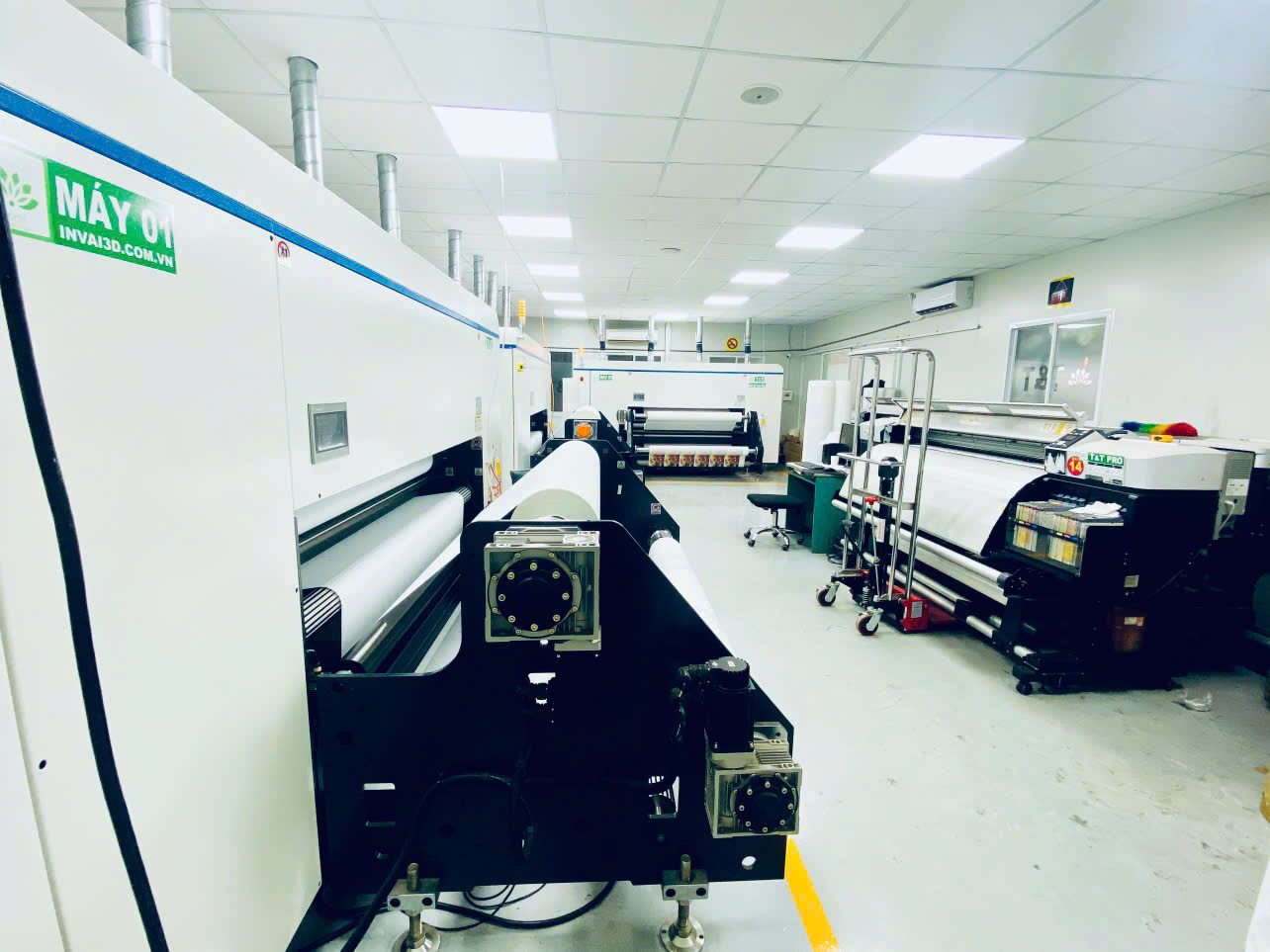
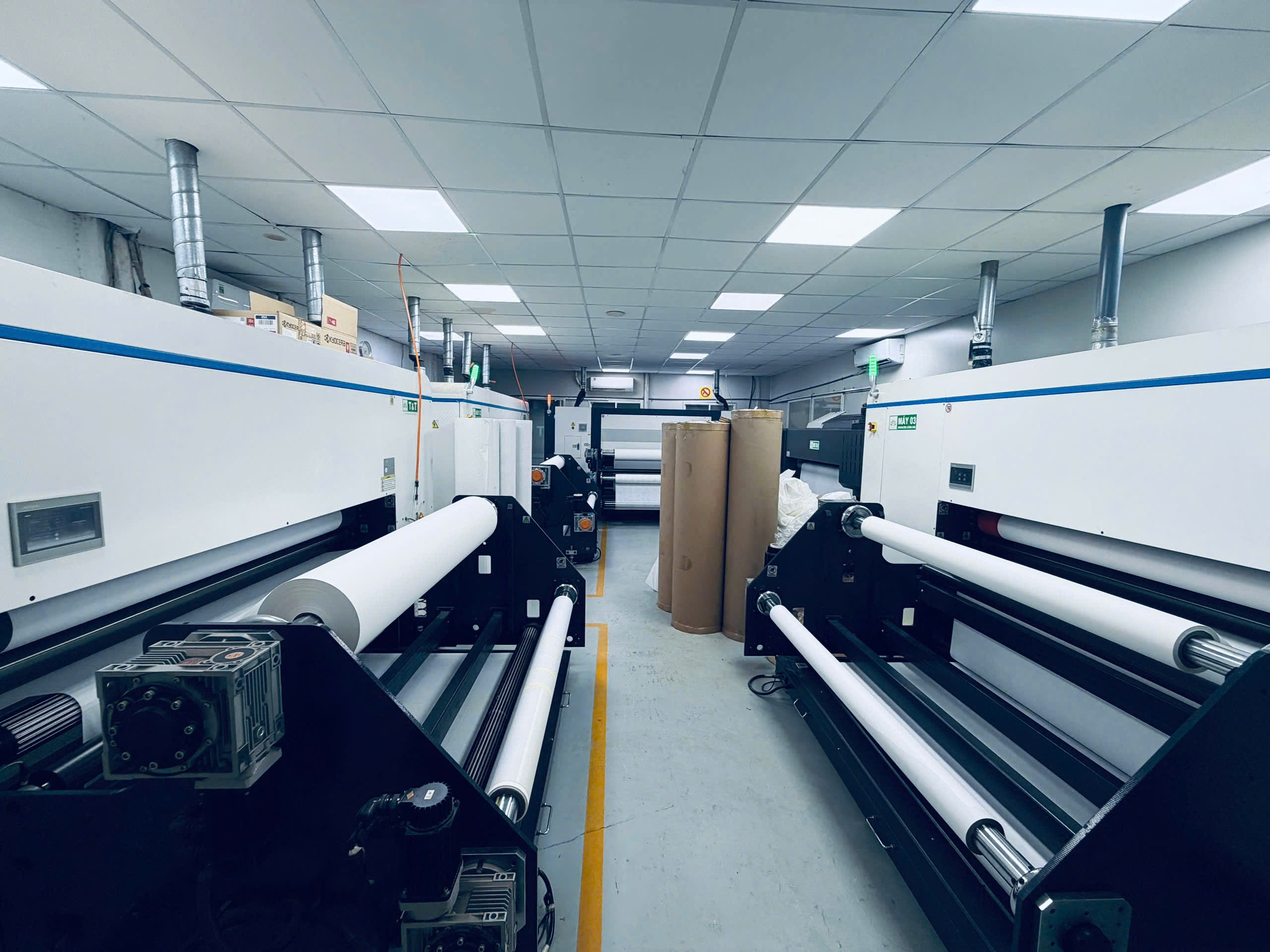
Many places accept large orders but run small machines. When time gets tight, they split the order across several printers, each with a different color tone. Ask directly: are the printers industrial machines or upgraded office models? What is the daily capacity? What is the maximum print width?
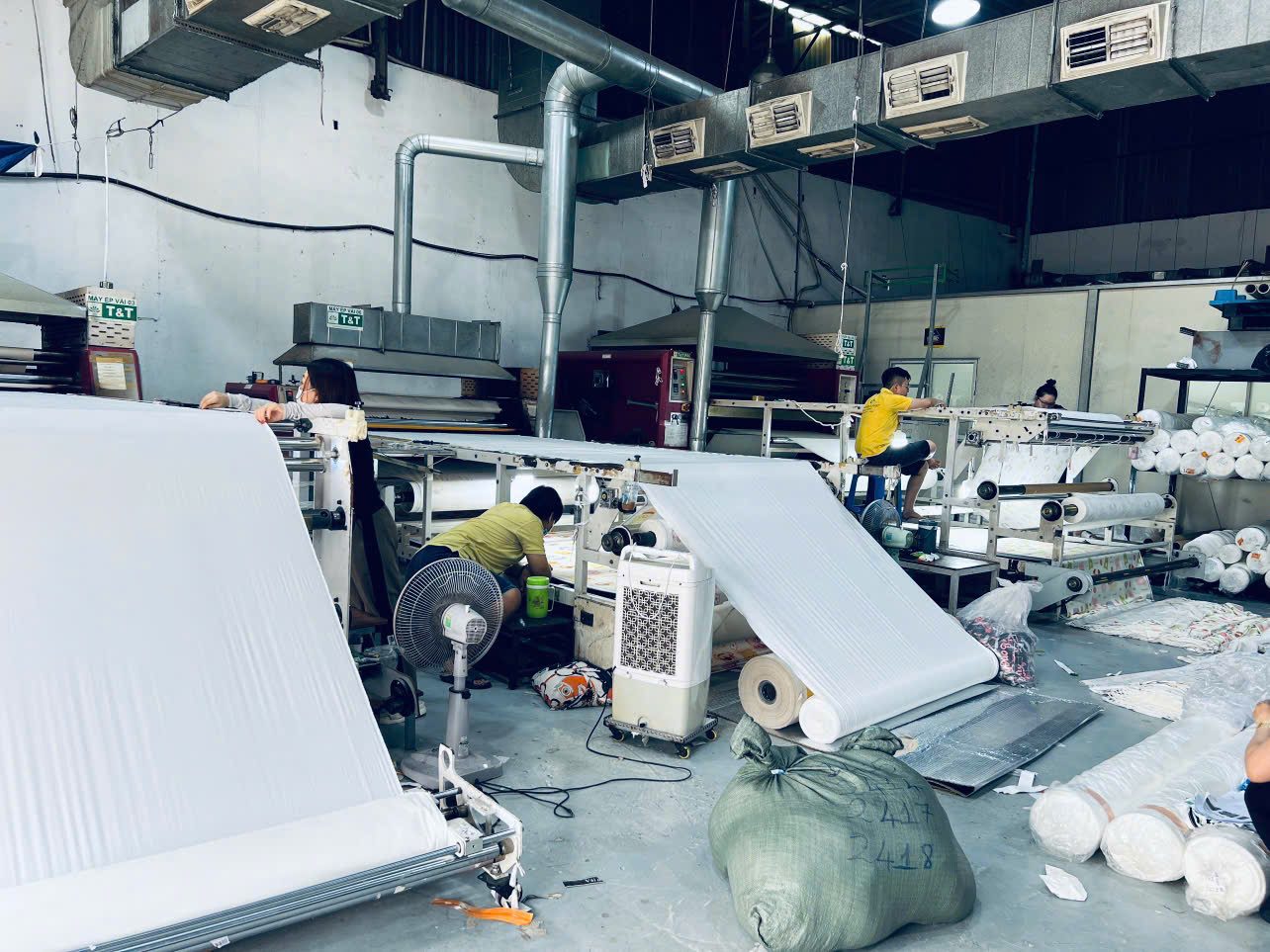
For comparison, our workshop runs industrial printers with Kyocera print heads, a standard print width of 1.6 m and a maximum of 1.8 m, with a capacity of about 5,000–10,000 m per day. We accept fabric printing by the meter from 50 m and printed panels from 200 pieces. More important than the numbers: your entire order stays on one production line, so the color remains consistent from start to finish.
Will the next batch match the previous one?
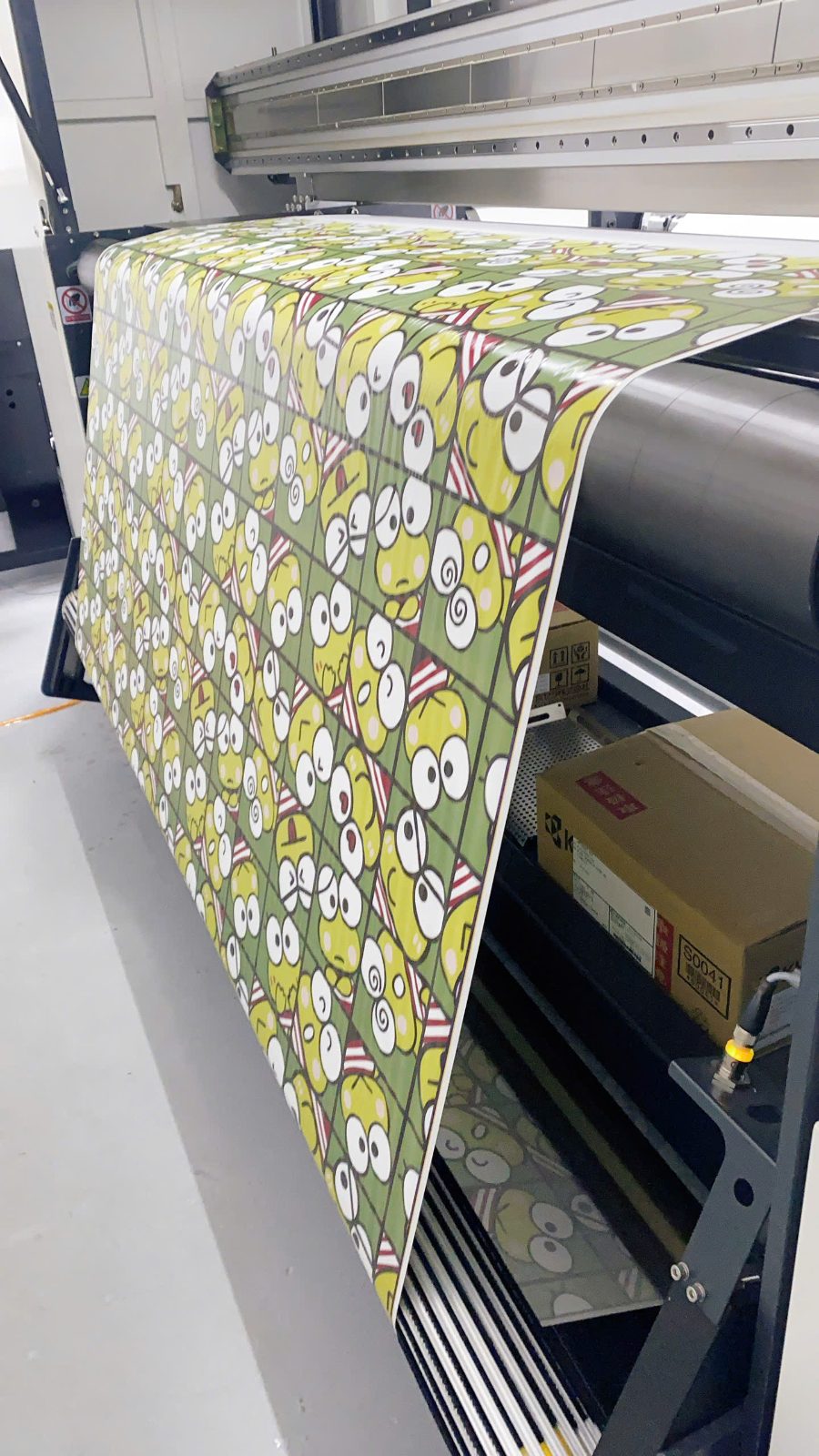
This is a headache for most garment factories and brands. The first batch is approved and looks great; the second arrives slightly bluer, with the red leaning slightly orange. Discovering it after the fabric has already been cut and sewn is painful.
Ask the workshop a few questions:
- Will they print a few meters for you to approve the color before production?
- Is the sample printed on the exact fabric used for the real order? Testing on a different fabric gives different colors.
- How do they compare the next batch against the previous one?
We run a 1–2 m color test before production, on the exact fabric of the order, and only start the job after you sign off. It adds one step, but it removes a big risk later.
Are print files and incoming fabric checked beforehand?
Incorrect files are a familiar cause of bleeding, pixelated images and color shifts. A workshop that takes responsibility for large orders reviews the files first and corrects them when needed, rather than printing blindly and blaming the customer.
The same goes for fabric. The higher the polyester content, the more vivid the colors, so choose about 70% polyester or more. Fabrics with a lot of cotton give pale colors that fade easily, and that comes from the fabric, not from the printing skill. See fabrics suitable for sublimation printing to choose correctly from the start. Paper, ink and fabric involve many small details, which we have gathered in our guide to sublimation printing supplies for further reading.
Can they laser cut to pattern and keep to schedule?
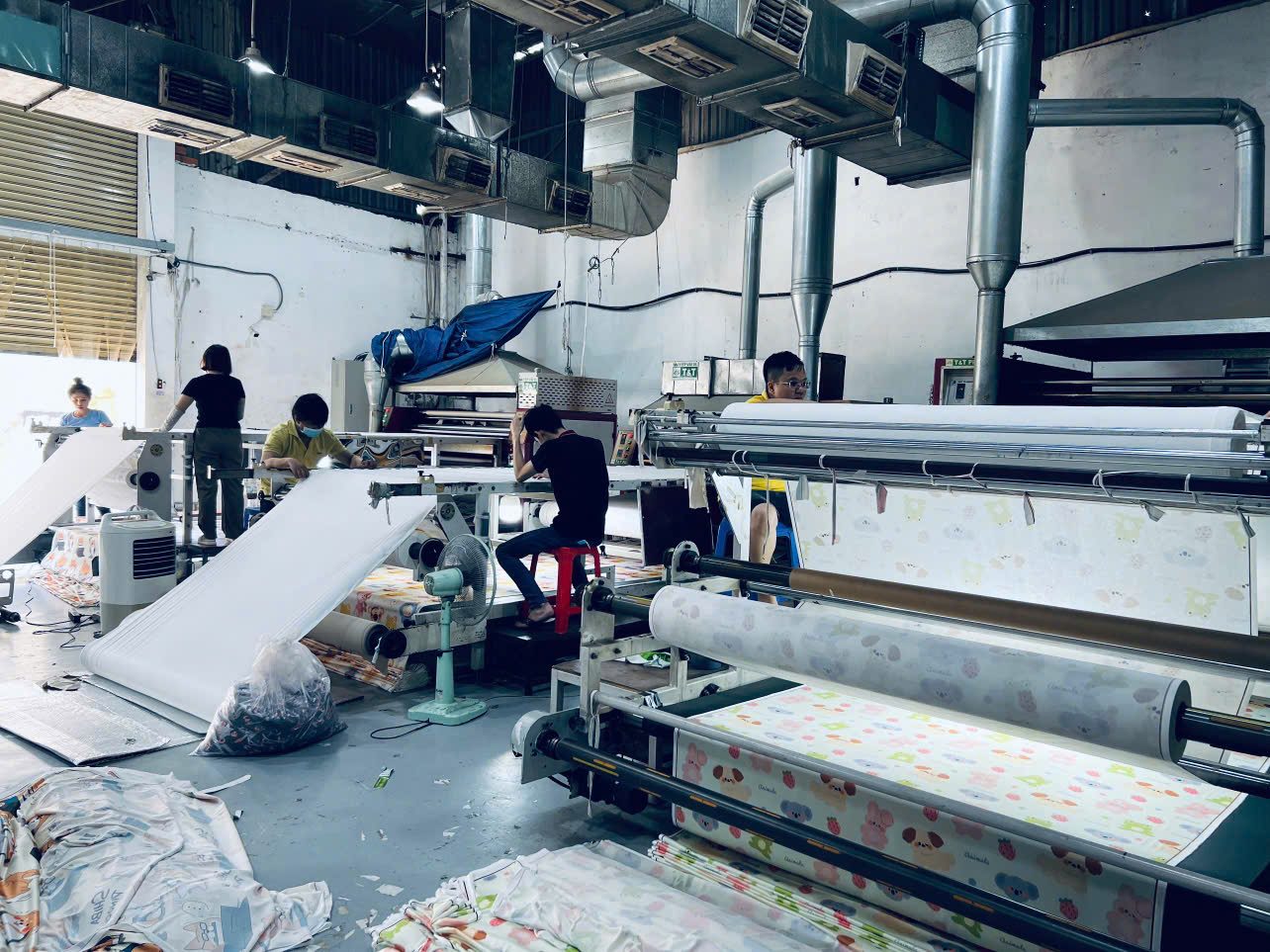
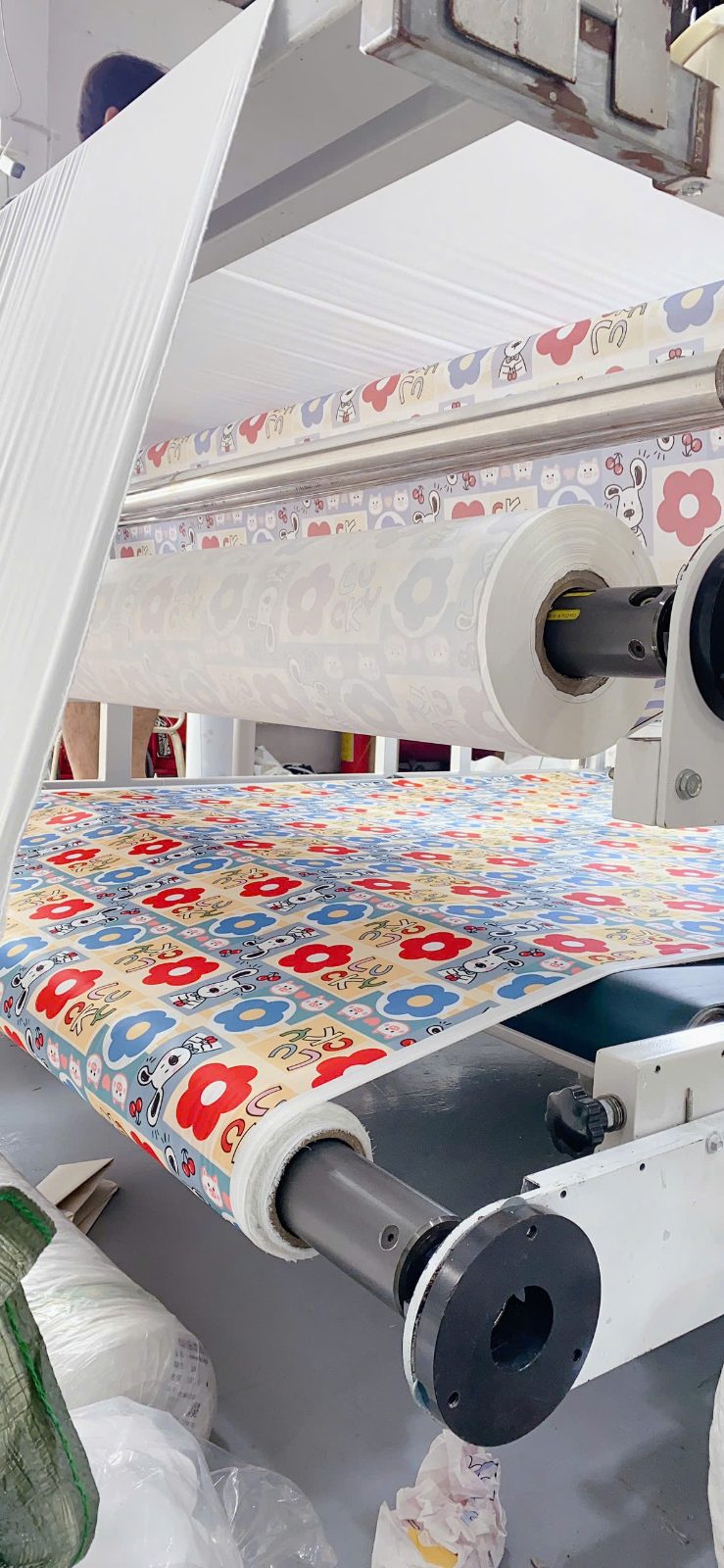
For a garment factory, the job is not finished once printing is done. Hand cutting leads to size errors, frayed edges and wasted fabric. If the workshop has a laser cutter with a camera that recognizes the print, cutting to pattern produces pieces aligned with the printed design, with clean edges and consistency across batches.
On scheduling, state the date you need the goods from the start so the workshop can plan, rather than asking just before the deadline. We do plan rush orders, but we need the quantity and required date early to allocate machines sensibly. Note that we only print and laser cut; sewing the finished garments is done by your garment factory.
Are documents, inks and the workshop address transparent?
For export goods or corporate orders, paperwork matters as much as quality. Ask whether the workshop issues VAT invoices, accepts contract work nationwide and, above all, has a real address you can visit to see the machines and samples.
On inks: our workshop uses inks certified OEKO-TEX® ECO PASSPORT (EP 49476), so ink documentation is available when customers request it. To be precise: this certification applies to the inks, not to the fabric or the finished products.
As for the address, we are at 416A – 414/11G Tan Ky Tan Quy, Tan Son Nhi Ward, Ho Chi Minh City, Vietnam. Visit to see the machines and printed fabric samples before you decide; it gives more peace of mind than ordering online. For the full range of what we offer, see our services page.
If you need large volumes of fabric rolls printed, also see sublimation printing on fabric rolls in HCMC.
Frequently asked questions
What is the minimum order for sublimation fabric printing?
We accept fabric printing by the meter from 50 m and printed panels from 200 pieces. For larger orders, the workshop plans machine time and a dedicated schedule for you.
Can you print a test before production?
Yes. The workshop runs a 1–2 m color test on the exact fabric of your order for your approval before production.
Do you take orders from customers outside Ho Chi Minh City?
Yes. We accept sublimation printing contract work nationwide and issue VAT invoices when needed.
Send your file and required date for a quotation
Choosing a workshop means choosing who keeps the color and the schedule for your whole order. T&T is a sublimation fabric printing workshop for large volumes in Ho Chi Minh City, offering fabric printing by the meter and laser cutting to pattern for garment factories, brands and businesses. Message us on WhatsApp/Zalo +84 395 46 46 86 with your print file, fabric type and required date, and the workshop will send a quotation and a concrete plan. You can also review the workshop's production capacity before deciding.
📍 Office – Workshop: 416A – 414/11G Tan Ky Tan Quy, Tan Son Nhi Ward, Ho Chi Minh City, Vietnam
📞 Hotline/WhatsApp/Zalo: +84 395 46 46 86
🌐 inchuyennhiet.com.vn · invai3d.com.vn